How To Make Vacant Land Work Harder for You
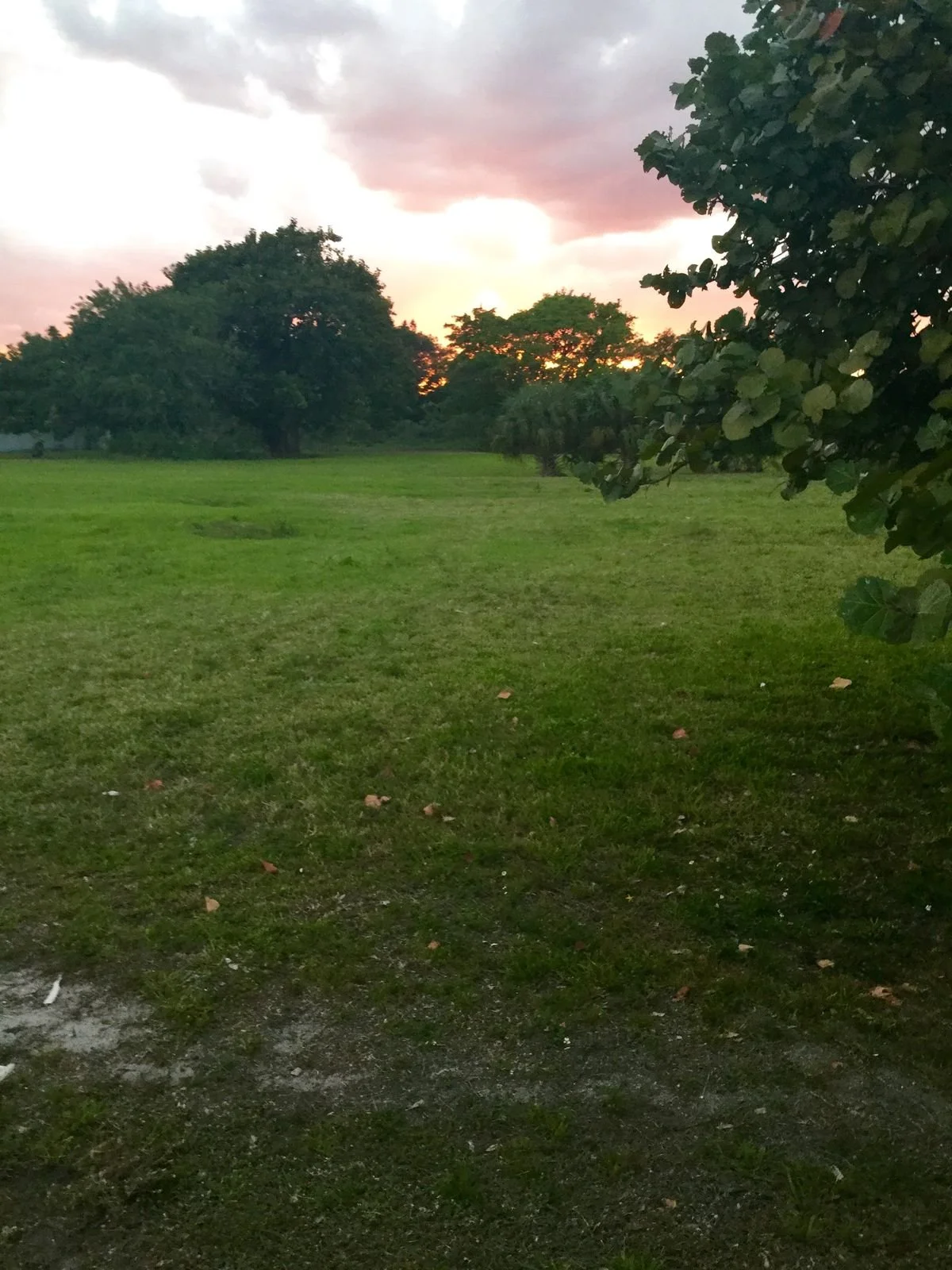
Vacant land gives us something increasingly rare in real estate: room to decide what comes next. We might build a home there, create a source of income, or hold the property until a better opportunity emerges. Whatever we choose, making vacant land work harder for us means giving it a purpose that reflects our priorities instead of developing it simply because we can. Once we know what we want from the property, we can weigh each possibility against the investment it requires and decide which direction genuinely makes sense.
1. Start With What the Property Can Actually Support
Before mentally installing a guesthouse and an extremely photogenic chicken coop, find out what the property allows. Local zoning may limit certain uses, while deed restrictions can add another layer of rules. Access matters as much, because a beautiful parcel becomes considerably less convenient when reaching it requires an off-road vehicle and emotional resilience.
Look beyond today's conditions as well. Planned roads or utility extensions could change how practical the property becomes, while nearby development may affect its future appeal. Once we understand those realities, we can stop spending energy on possibilities that exist only on Pinterest and concentrate on ideas the land can reasonably accommodate.
2. Consider Building a Home for Yourself
For anyone frustrated by an existing housing market that offers almost the right house at absolutely the wrong price, vacant land can create another option. Building a primary residence gives us greater control over the way the home functions. We can prioritize an accessible floor plan or create enough storage to prevent every closet from becoming a small domestic crisis.
Once we decide to turn vacant property into a primary residence, the next question is how we want to build it. For some landowners, building a modular home on your land may fit the property and the larger vision for it. Before choosing any construction approach, look beyond the house itself and consider what the site will require. Permits, utility connections, and land preparation can shape the scope of the project just as much as the home we eventually choose.
3. Give Changing Families More Room To Adapt
Our households rarely stay exactly the same for decades, which makes flexibility worth considering before we commit the property to one narrow purpose. Adult children may return home, parents may eventually want to live closer, and our appreciation for privacy can become considerably stronger after sharing a bathroom with enough people.
Where local regulations permit, an accessory dwelling unit or guesthouse can create separate living space without putting an entire zip code between family members. That flexibility may prove especially useful as caregiving responsibilities or housing needs change. We cannot predict exactly what our families will look like 15 years from now, but leaving room for the property to evolve gives us more options when life changes the plan, as it has an irritating habit of doing.
4. Evaluate Whether the Land Can Produce Income
A parcel does not need a major development project before it can contribute financially. Depending on the location and local rules, we might consider agricultural leasing or other permitted uses that generate income without fundamentally changing the property. Residential rental opportunities could make sense on land suited to additional housing.
Before calling any option passive income, run the numbers with some skepticism. Maintenance and insurance can take a noticeable bite out of projected returns, while the management involved may cost us more time than expected. The right opportunity should make financial sense after expenses and fit the amount of involvement we actually want. If an income stream requires three phone calls before breakfast every Saturday, it has perhaps misunderstood the assignment.
5. Improve the Property Without Fully Developing It
If we are not ready to build, smaller improvements can make the property more functional without committing us to a larger development plan. Improving access or correcting drainage issues may make the land easier to use now while removing obstacles that could complicate future plans. Where development remains a realistic possibility, investigating utility access can give us a clearer picture of what the property could support later.
Before investing heavily in improvements, consider whether the work solves an actual problem or simply reflects what we want today. A highly specialized feature may suit us perfectly while doing little for a future buyer who has different plans for the property. By concentrating on practical improvements with lasting usefulness, we can put money into the land without unnecessarily limiting what comes next.
6. Let the Land Improve Life Right Now
Although real estate naturally invites us to think about financial returns, vacant land can justify its place in our lives in less measurable ways. It might give us room for a serious garden, space for a creative pursuit that has outgrown the house, or simply somewhere to spend a quiet weekend. When daily life already contains enough meetings and notifications to qualify as a minor endurance sport, having somewhere to escape them can carry value of its own.
As long as the cost of owning and maintaining the property fits comfortably within our finances, we do not have to turn every square foot into a tiny unpaid employee in our investment portfolio. Sometimes making land work harder simply means using it more often and enjoying what we already own.
7. Protect the Choices You May Want Later
Even when selling is nowhere on our current agenda, the choices we make now can affect what the property allows us to do later. Permanent construction may change future development possibilities, while deferred maintenance can leave us with expensive problems when circumstances shift. Keeping tomorrow in mind does not mean designing the property for an imaginary buyer; it simply means avoiding decisions that unnecessarily narrow our options.
As we make changes, keeping surveys, permits, utility information, and improvement records organized gives us a reliable history of the property. If selling eventually makes sense or a new development opportunity appears, we can evaluate that next move with accurate information instead of piecing together decisions we made years earlier.
Make the Property Earn Its Place in Your Plans
Vacant land does not have to become a construction project or investment property simply because we own it. Holding a parcel for future possibilities can make perfect sense when doing so supports a larger financial or lifestyle plan.
Ultimately, how to make vacant land work harder for you depends on what we expect the property to contribute to our lives. That might mean creating a home or generating income. It could simply mean preserving a valuable option for a future version of ourselves who has different priorities. Start with what the property can realistically support, decide which outcome deserves our resources, and put the land to work on terms that actually work for us.