How to Plan a National Park Trip Around Nature’s Schedule
National parks may have visitor centers, paved roads, marked trails, and carefully maintained campgrounds, but the experiences people travel for are still governed largely by nature. Wildlife moves according to feeding patterns rather than vacation itineraries. Wildflowers bloom when conditions are right. Temperatures rise and fall with the season, and storms can transform an afternoon in a matter of minutes.
That unpredictability is part of what makes visiting a national park so rewarding. It also means travelers can benefit from planning differently than they would for a typical city vacation. Instead of filling every hour with scheduled activities, a successful outdoor itinerary leaves room for changing conditions and natural rhythms.
Understanding how to plan a national park trip around nature’s schedule can help travelers see more, avoid unnecessary frustration, and experience a destination at times when its landscapes and wildlife are most active.
Start With the Season, Not Just Your Vacation Dates
Many travelers begin planning by deciding when they have time off and then choosing where to go. When possible, reversing that process can produce a better national park experience.
Every park has distinct seasonal patterns. A mountain destination may remain snowy well into what feels like spring elsewhere. Desert parks can become intensely hot during summer afternoons but offer comfortable hiking weather in cooler months. Some roads, trails, campgrounds, and visitor facilities may operate only during certain portions of the year.
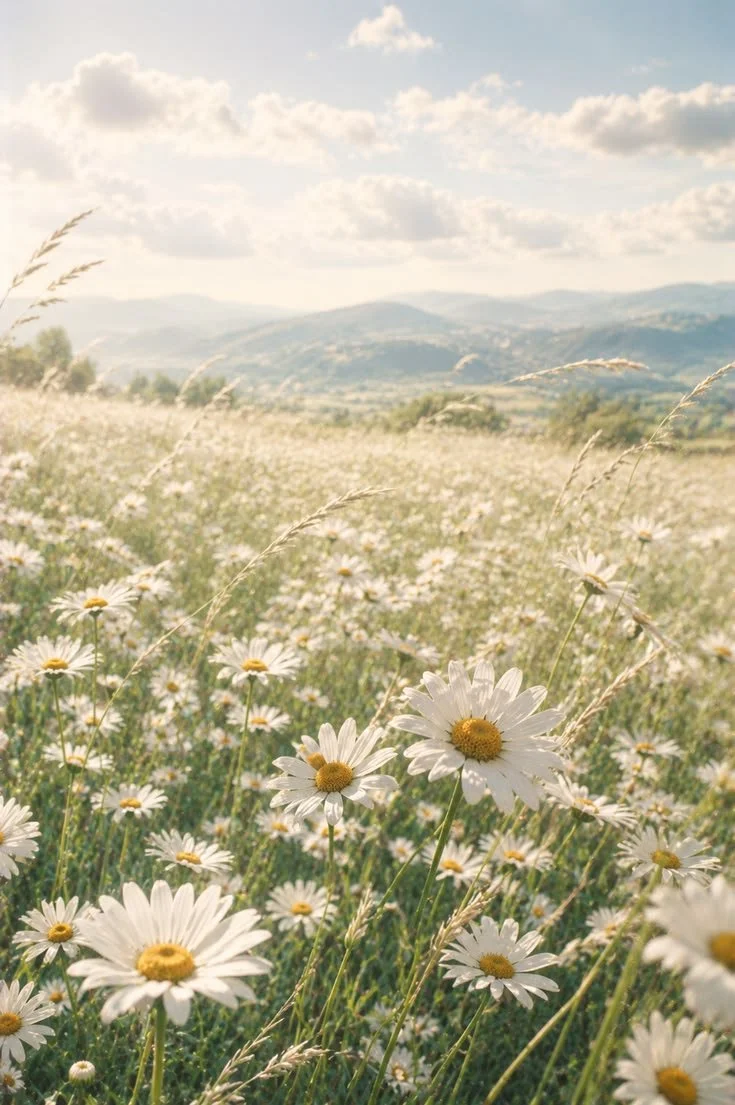
Seasonality also affects the character of the landscape. Spring can bring rushing waterfalls and wildflowers, while autumn may offer changing foliage and different wildlife behavior. Winter can dramatically reduce crowds while limiting access to certain areas.
There is rarely one universally "best" season. The right choice depends on what you actually want to experience.
Understand When Wildlife Is Most Active
Wildlife encounters are often among the most memorable parts of a national park vacation, but animals do not appear simply because visitors have arrived at a scenic overlook.
Many species adjust their activity according to temperature, available food, daylight, breeding seasons, and other environmental factors. That can make the time of day almost as important as the time of year.
Early morning and evening frequently provide stronger opportunities for wildlife observation because animals may be more active while temperatures are cooler. Midday, meanwhile, can be relatively quiet in some locations.
These patterns vary by destination and species, so researching them before traveling is worthwhile. For example, understanding the best times to see wildlife in Yellowstone Park can help visitors think more strategically about when to devote portions of their itinerary to wildlife viewing rather than assuming every hour offers identical opportunities.
Build Your Days Around Light and Temperature
A convenient vacation schedule does not necessarily match comfortable outdoor conditions. Sleeping late, eating a leisurely breakfast, and beginning a hike around noon might work perfectly well in some destinations. Elsewhere, it could mean tackling the trail during the hottest or busiest part of the day.
Consider sunrise, sunset, and typical temperature patterns when building each day's itinerary. Starting early can provide cooler hiking conditions, quieter trails, softer light for photography, and more time to adjust plans if something unexpected happens.
Afternoons can then be reserved for activities that are less dependent on favorable conditions. Scenic drives, visitor centers, shorter walks, picnic stops, or rest periods can fill the hours when temperatures or crowds are at their peak.
Evening creates another opportunity to venture outside. As temperatures fall and crowds thin, familiar landscapes can feel completely different.
Give Weather a Vote in Your Plans
Weather deserves more influence over a national park itinerary than many travelers give it.
Conditions can change rapidly, particularly in mountainous and high-elevation areas. A morning that begins with clear skies may produce afternoon thunderstorms. Strong winds, extreme heat, snowfall, wildfire conditions, or heavy rainfall can alter what is practical or safe.
Rather than assigning one must-do activity to one specific time, build alternatives into the trip. If conditions are poor for a long hike, perhaps that becomes the day for a scenic drive or a lower-elevation trail. When clear weather arrives, priorities can shift accordingly.
Checking forecasts remains important, but forecasts should be treated as guidance rather than guarantees. Visitors should also pay attention to current park alerts, closures, trail conditions, and guidance from park officials.
Avoid Scheduling Every Hour
A tightly packed itinerary can look efficient on paper while becoming exhausting in practice. National parks are especially poorly suited to minute-by-minute scheduling.
Distances can be deceptive. Driving between major attractions may take longer than expected, especially when traffic, road construction, wildlife crossings, or scenic stops slow progress. A hike might take longer because the scenery encourages frequent stops. An unexpected wildlife sighting might be worth watching for half an hour.
Leave open space between major activities. Instead of trying to see six attractions in one day, choose a few priorities and allow the day to develop around them.
Unscheduled time isn't wasted time. It creates opportunities to stop when something interesting appears rather than constantly watching the clock.
Let the Landscape Determine Your Pace
Travelers accustomed to urban vacations may approach national parks with the same goal of maximizing the number of attractions they visit. That mindset can undermine the reason for going outdoors in the first place.
Natural landscapes reward patience. Sitting beside a lake for an extra 20 minutes, watching clouds move across a mountain range, or waiting quietly near a wildlife-viewing area can become more memorable than rushing between famous landmarks.
Physical conditions matter too. Elevation, heat, uneven terrain, and long distances can make seemingly straightforward activities more demanding than expected. Allowing adequate recovery time helps prevent fatigue from controlling the second half of the vacation.
A slower pace also makes it easier to notice details that disappear when every stop is treated as something to check off a list.
Make Flexibility Part of the Adventure
National parks offer something increasingly rare in everyday life: experiences that cannot be completely scheduled or controlled. That is precisely why travelers shouldn't attempt to manage every moment.
Knowing how to plan a national park trip around nature’s schedule means creating enough structure to use your time well while leaving enough freedom to respond to changing conditions. Research the season, pay attention to daylight and weather, understand wildlife patterns, identify priorities, and leave breathing room in the itinerary.
The reward is a trip that feels less like racing between attractions and more like experiencing a living landscape on its own terms.