Why the Cheapest Renovation Quote Isn’t Always the Best Deal
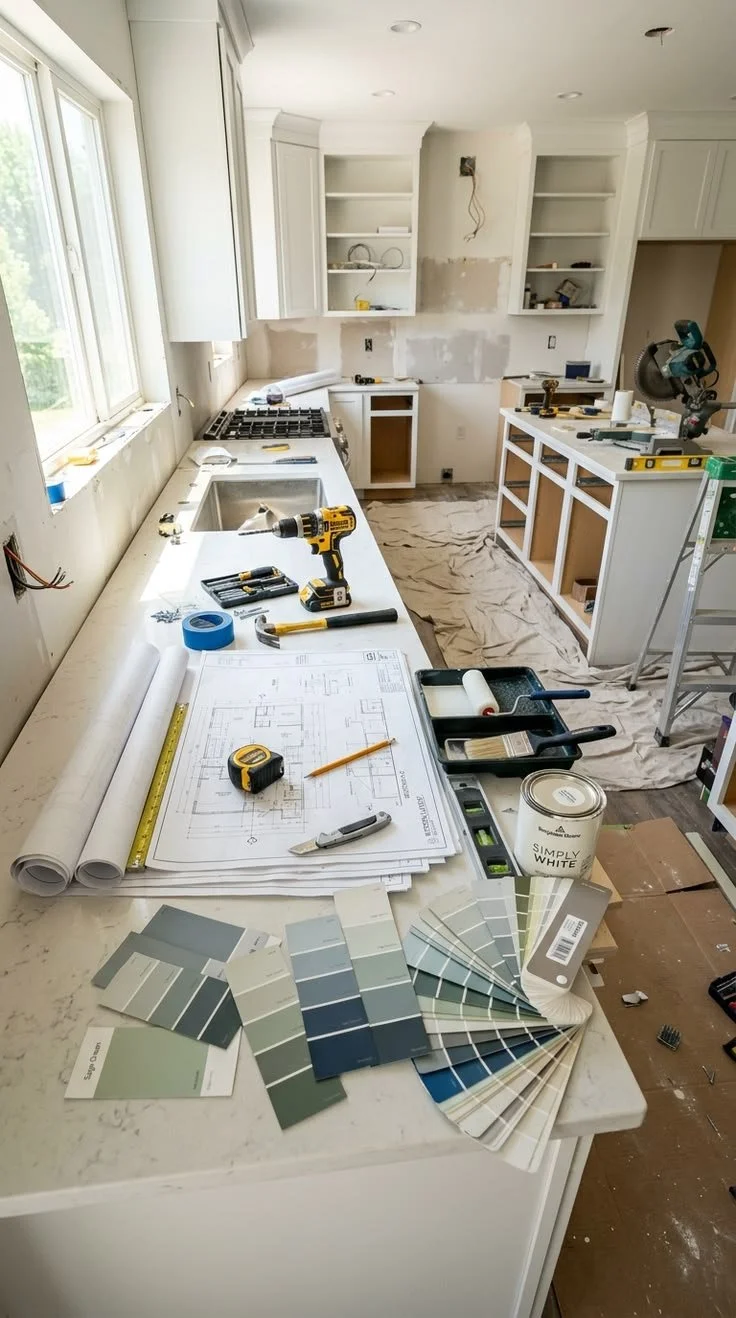
Home renovations can be expensive, so it is natural to look for opportunities to keep costs under control. When several contractors submit estimates for the same project, the lowest number can immediately stand out. Saving thousands of dollars may seem like an easy decision, especially when the contractors appear to be offering similar services.
However, renovation estimates are rarely as straightforward as comparing numbers at the bottom of a page. Differences in materials, labor, project scope, preparation, warranties, and experience can all influence the price. A surprisingly inexpensive estimate can sometimes mean important work has been excluded or underestimated.
Understanding why the cheapest renovation quote isn’t always the best deal can help homeowners evaluate estimates more carefully and choose a contractor based on overall value rather than price alone.
Not Every Quote Covers the Same Work
One of the biggest mistakes homeowners can make is assuming that every contractor has priced the exact same project. Even when contractors receive identical instructions, their interpretations of the work may differ.
One estimate might include demolition, debris removal, preparation, installation, finishing, and cleanup. Another might leave several of those expenses separate or assume the homeowner will handle them.
These differences can make one quote appear substantially cheaper at first. Once work begins, however, excluded services may turn into additional charges. By the end of the project, the supposedly inexpensive contractor could cost just as much as—or more than—the original higher estimates.
Homeowners should therefore compare the details of each proposal rather than simply looking at the final price.
Material Quality Can Explain a Price Difference
Materials represent a significant portion of many renovation budgets. Flooring, cabinetry, countertops, fixtures, windows, hardware, and countless other components are available at dramatically different price points.
Two contractors may quote the same general renovation while planning to use very different products.
Lower-cost materials are not automatically a bad choice. In some applications, affordable products can provide excellent performance. Problems arise when homeowners believe they are receiving one quality level while the estimate actually includes something substantially different.
Detailed quotes should identify materials whenever possible. Homeowners can then determine whether a lower estimate reflects genuine efficiency or simply less expensive products.
Experience Has Value
Skilled renovation professionals spend years developing their abilities. That experience influences everything from estimating project requirements to identifying potential problems before construction begins.
Experienced contractors may charge more because they understand how much time and labor the work actually requires. Their estimates may also account for preparation and finishing tasks that less experienced contractors overlook.
Paying for experience can reduce the likelihood of mistakes that require expensive corrections later. Poorly installed flooring, uneven tile, incorrectly fitted cabinetry, plumbing problems, and inadequate waterproofing can all turn initial savings into substantial future expenses.
The cheapest labor is only inexpensive if the work performs as expected.
Unrealistically Low Estimates Can Lead to Change Orders
Renovations frequently uncover unexpected conditions. Contractors cannot predict every problem hidden behind walls or underneath floors, but an experienced professional should generally understand the foreseeable costs associated with the project.
A contractor who significantly underestimates labor or materials may need to compensate later through change orders.
Change orders are legitimate when homeowners request additional work or previously hidden conditions require changes. They become frustrating when expenses that reasonably should have been included in the original proposal suddenly appear midway through construction.
Before selecting a contractor, homeowners should ask what the estimate includes, what it excludes, and what situations could create additional charges.
Renovation Budgets Need Room for the Unexpected
Even a thorough contractor estimate should not represent every dollar available for the renovation. Older homes in particular can reveal surprises once demolition starts.
Water damage may be hiding behind bathroom walls. Electrical wiring might require updating. Subfloors can be damaged. Plumbing configurations may need modification before new fixtures can be installed.
Building a contingency into the budget provides flexibility when these situations occur. Homeowners planning projects involving plumbing, fixtures, tile, and other major components can benefit from understanding how to budget for a bathroom remodeling project before deciding how much they can comfortably devote to the work itself.
The same principle applies throughout the home. A realistic renovation budget accounts for both expected costs and reasonable surprises.
Cutting Preparation Can Create Future Problems
Some of the most important renovation work becomes invisible once the project is finished. Surface preparation, waterproofing, leveling, structural reinforcement, sealing, and other behind-the-scenes tasks rarely provide the excitement of selecting countertops or fixtures, but they can determine how well the finished project lasts.
Contractors attempting to offer exceptionally low prices may have less room in their budgets for extensive preparation.
Skipping or rushing these steps might not create obvious problems immediately. The room could look excellent when construction ends. Months or years later, however, homeowners may notice cracked finishes, loose materials, moisture problems, uneven surfaces, or premature deterioration.
A quality renovation should be judged by how it performs over time, not simply how it looks on completion day.
Insurance, Licensing, and Business Costs Matter
Professional contractors have operating expenses beyond materials and wages. Depending on the location and type of project, these may include licensing, insurance, permits, equipment, employee training, administrative costs, and warranty obligations.
Those expenses contribute to the price customers pay.
A dramatically cheaper contractor may simply operate efficiently, but homeowners should verify that the company meets applicable licensing and insurance requirements. Choosing someone without appropriate coverage could create significant complications if property damage, injuries, or construction problems occur.
Contractors should be willing to answer reasonable questions about their credentials and business practices.
Look for Value Rather Than the Lowest Number
When estimates differ substantially, understanding the reason is particularly important. One contractor may have spotted a complication others overlooked, while another may have excluded work that will eventually need to be added.
Thinking about why choosing the lowest renovation estimate isn’t necessarily the best value encourages homeowners to consider what they are actually receiving for their money. The best renovation deal is not necessarily the project with the smallest initial price tag. It is the one that delivers dependable workmanship, appropriate materials, transparent costs, and results that homeowners will not have to pay to correct later.