Creating a Healthier Home That Supports Better Rest
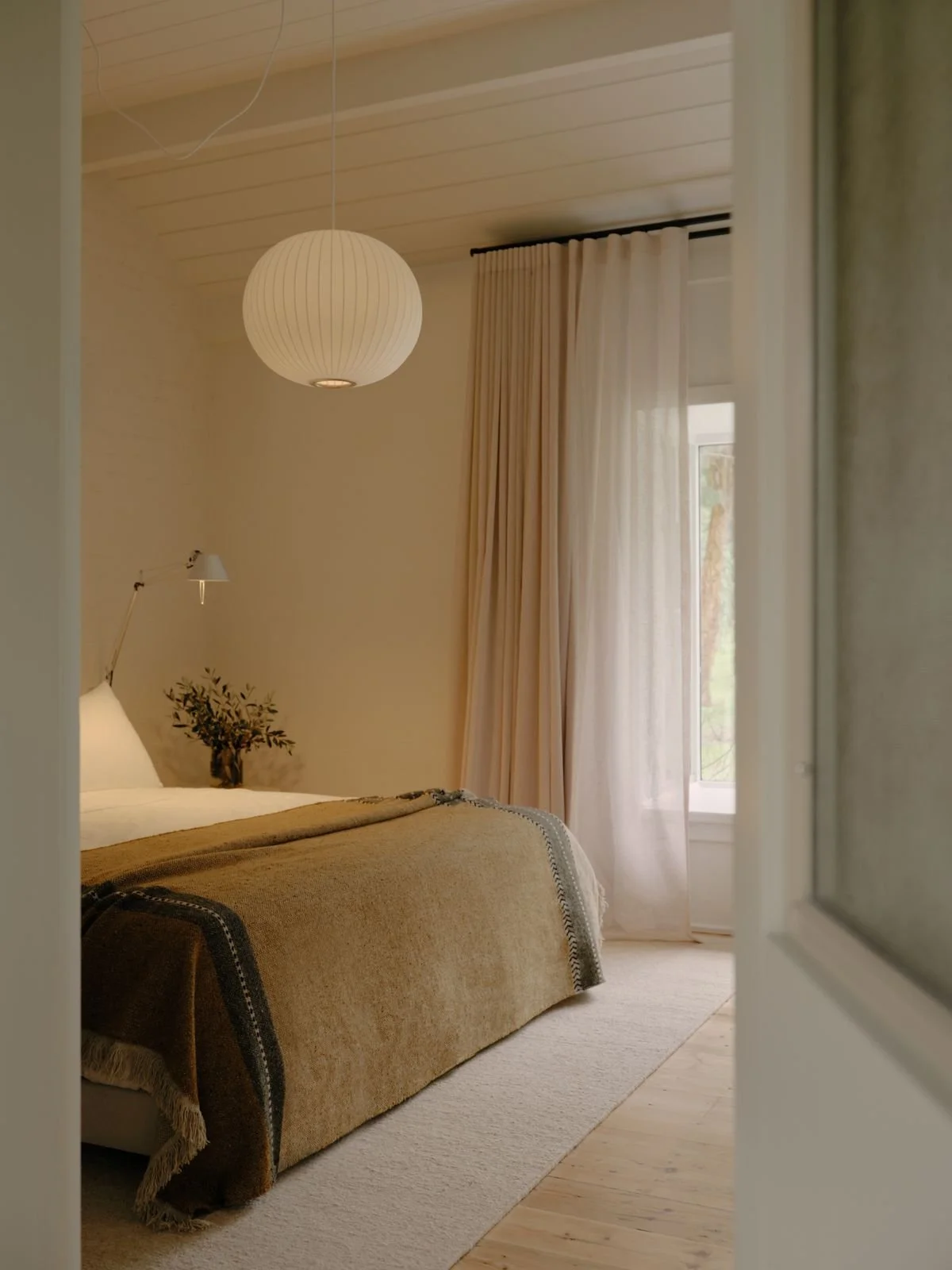
A good night's sleep depends on more than simply going to bed on time. Your surroundings play a major role in how easily you fall asleep, how often you wake up during the night, and how refreshed you feel in the morning. Creating a healthier home that supports better rest means taking a closer look at the environment you live in and making thoughtful changes that promote comfort, relaxation, and overall wellness.
Fortunately, you don't need to renovate your home to create a more restful space. Small improvements can have a meaningful impact when they work together.
Focus on Your Bedroom Environment
Your bedroom should encourage relaxation from the moment you walk in. Keeping the room cool, quiet, and dark helps your body recognize that it's time to sleep. Blackout curtains can reduce unwanted light, while soft bedding and a supportive mattress improve physical comfort throughout the night.
Reducing clutter also contributes to a calmer atmosphere. A tidy room minimizes distractions and creates a sense of order that can make it easier to unwind before bed.
Pay Attention to Indoor Air Quality
Many people think about temperature when preparing for sleep, but the quality of the air you breathe is just as important. Dust, pollen, pet dander, and other airborne particles can contribute to nighttime discomfort, particularly for those with allergies or respiratory sensitivities.
Improving ventilation, replacing HVAC filters on schedule, and maintaining consistent humidity levels all contribute to cleaner indoor air. Some homeowners also consider dedicated air purification as part of their overall sleep environment. Understanding how HEPA air purifiers may improve sleep quality can provide additional insight into the relationship between cleaner air and better nighttime comfort.
Reduce Everyday Distractions
Modern homes are filled with interruptions that can interfere with healthy sleep habits. Electronic devices, notification sounds, and excessive evening lighting all signal your brain to remain alert instead of preparing for rest.
Establishing a consistent bedtime routine helps reduce these disruptions. Consider dimming lights an hour before bed, limiting screen time, and choosing relaxing activities like reading or gentle stretching. Even simple habits practiced consistently can improve sleep over time.
Create Healthy Daily Habits
Your home should support wellness throughout the day, not just at bedtime. Staying organized, cleaning regularly, and minimizing indoor pollutants all contribute to a healthier living space. Natural light during the day also helps regulate your body's internal clock, making it easier to fall asleep when evening arrives.
Physical activity, balanced nutrition, and adequate hydration complement these environmental improvements. Together, they create conditions that allow your body to recover more effectively overnight.
Small Changes Add Up
The process of creating a healthier home that supports better rest doesn't require expensive upgrades or dramatic lifestyle changes. Instead, it comes from consistently making thoughtful choices that improve comfort, cleanliness, and relaxation throughout your home.
By paying attention to factors such as lighting, temperature, organization, and indoor air quality, you can create an environment that encourages deeper, more restorative sleep. Over time, those small adjustments can make a noticeable difference in both your nightly rest and your overall well-being.