What Can Make or Break a Bathroom Remodel
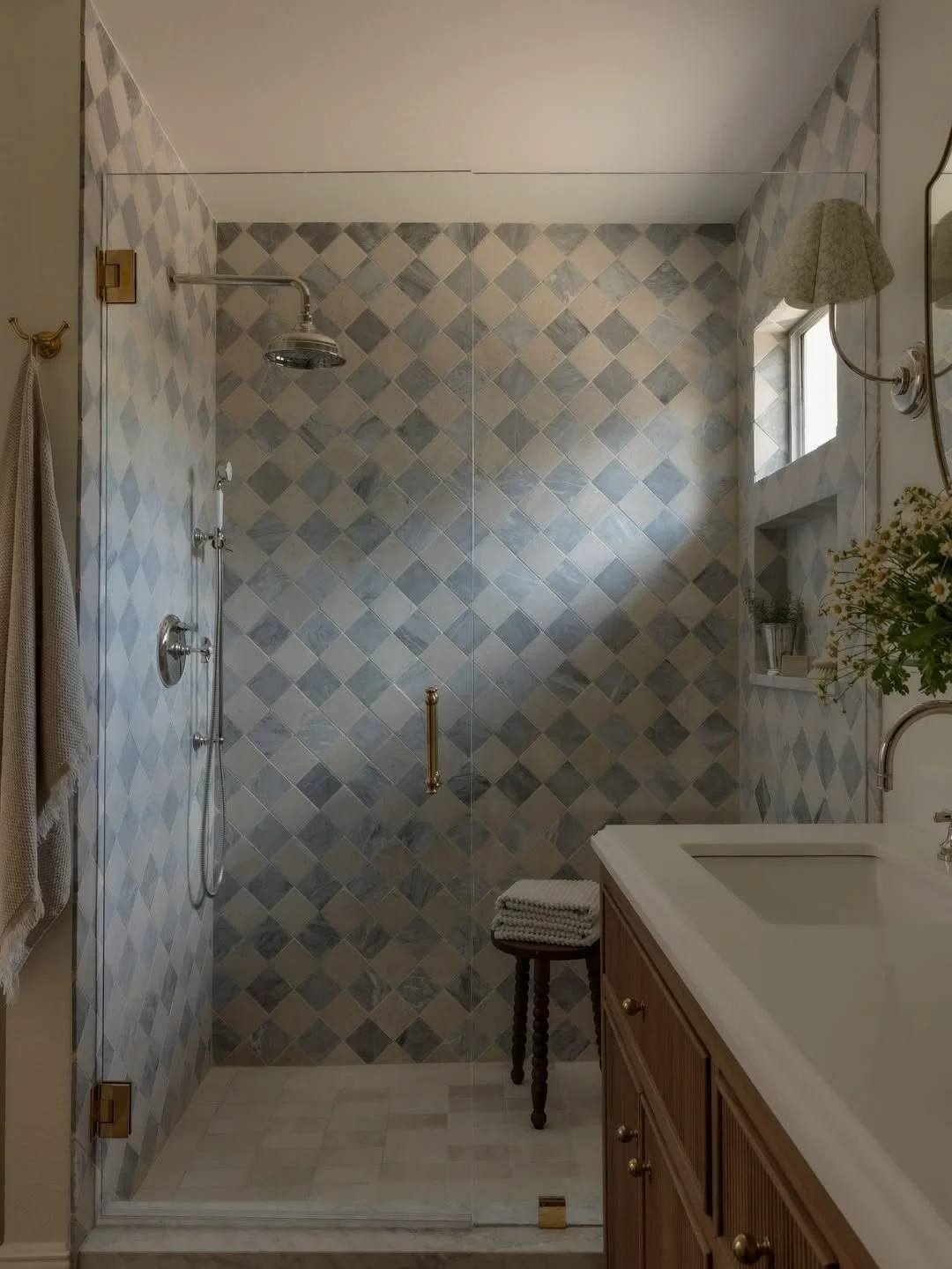
Remodeling your bathroom sounds simple in theory. It is one room, usually not the biggest one, and surely fewer square feet means fewer decisions. In reality, the bathroom is where plumbing, lighting, storage, moisture, privacy, resale value, and everyone’s morning personality crisis meet in one tiled little arena.
For modern homeowners balancing work, family, money, and more, the difference between a renovation that works and one that slowly drains our will to live usually comes down to planning the unglamorous details first. Keep reading to understand what can make or break a bathroom remodel.
Start With the Way the Room Actually Works
A pretty bathroom that fails at daily life is just an expensive photo backdrop with toothpaste on it. Before picking tile, map the way the room functions. Consider who uses it, when they use it, what gets stored there, and which habits deserve support instead of judgment.
Keep plumbing locations where they are unless there is a strong reason to move them. Relocating a toilet, tub, or shower can inflate costs quickly. Spend the budget where it improves the room every day, such as better ventilation, accessible storage, durable flooring, or a shower that does not require yoga to enter.
Let Lighting Carry More Weight
Lighting is one of the key factors that can make or break a bathroom remodel. Bathroom lighting can make us feel like a Renaissance portrait or a suspect in an interrogation room. Strong overhead lighting helps with cleaning and general use, but task lighting around the mirror matters most for makeup, shaving, skincare, and checking whether that is mascara or exhaustion.
Layer lighting with intention. Use warm, flattering bulbs near the mirror, bright lighting for the shower or bath, and dimmable options where possible. A bathroom should support real bodies in real life, not punish us under fluorescent doom.
Treat Storage as a Design Feature
Clutter can ruin even the chicest space. Build storage around what lives in the room, including towels, hair tools, medicine, cleaning supplies, period products, skincare, and the backup toothpaste we bought because adulthood is mostly inventory management.
Vanities with drawers can work harder than deep cabinets, especially in smaller bathrooms. Niches, recessed medicine cabinets, wall shelves, and linen towers also help preserve floor space. The best storage feels calm, accessible, and invisible.
Choose Finishes With the Future in Mind
Trends can be fun, but permanent surfaces deserve a little emotional distance. Tile, flooring, cabinetry, and countertops should still feel livable five or ten years from now. Use bolder choices in paint, mirrors, towels, art, or hardware, where change does not require demolition and a minor identity spiral.
Color also affects how the room feels, especially in tight spaces with shifting natural light. When selecting a color scheme for a bathroom remodel, work with existing elements to create a seamless and flexible update.
Conclusion
A successful renovation project does not require the biggest budget. It requires clear priorities, honest math, and design choices that support the way people live. Build the room around function first, layer in beauty second, and leave enough flexibility for the future version of us who may no longer want matte black everything.