Strange Odors in the Home? Here’s How to Get Rid of Them
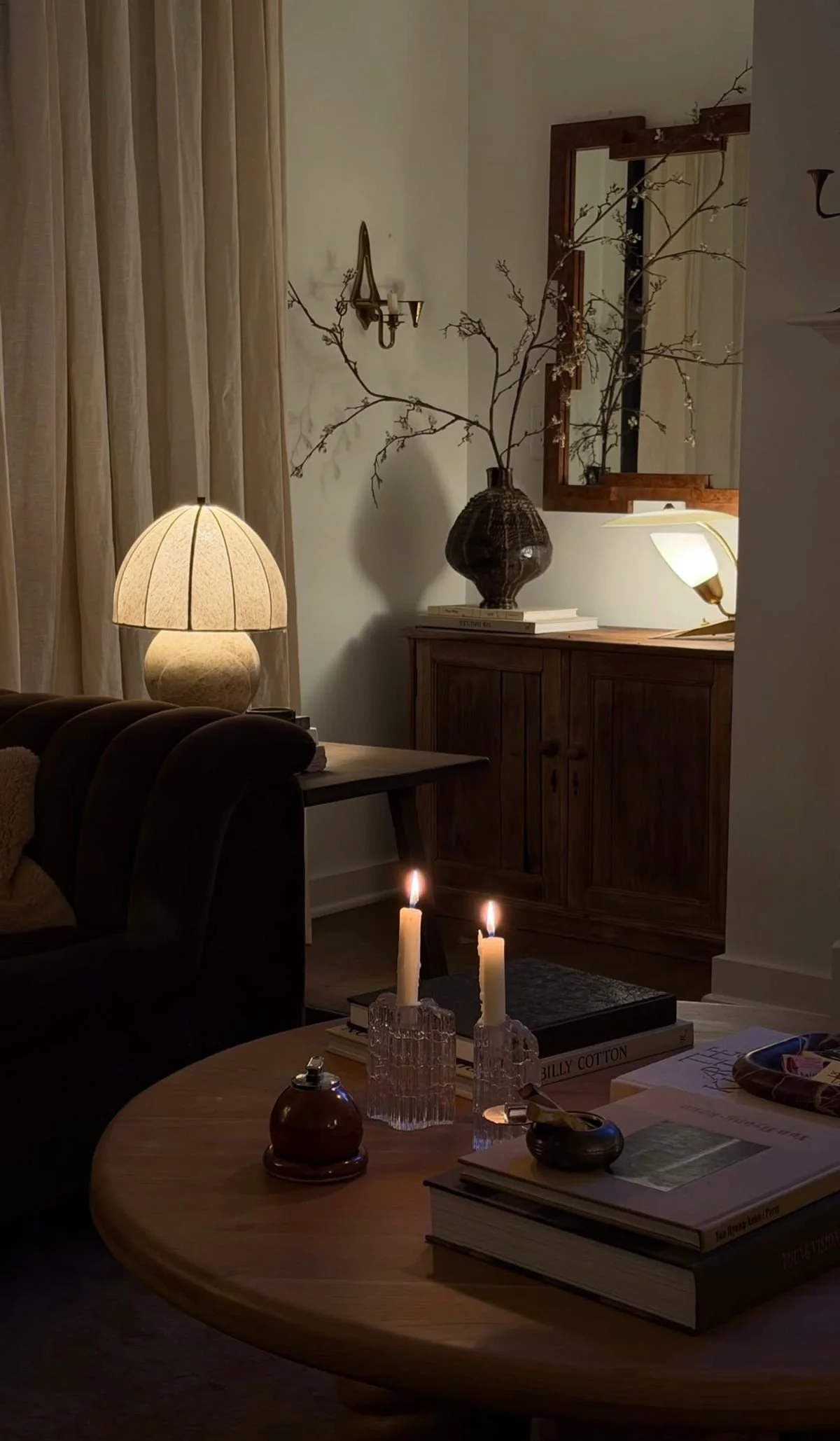
Unpleasant smells in your home can be more than just a minor annoyance. Strange odors often signal hidden problems that need attention, from excess moisture to trapped debris. Ignoring these smells can allow them to worsen over time, affecting indoor air quality and overall comfort. If you’re experiencing strange odors in the home, then here’s how you get rid of them.
Identifying the Source of the Smell
Before you can eliminate a strange odor, you need to pinpoint where it’s coming from. Different smells often indicate different issues. A musty scent may suggest mold or mildew growth in damp areas like basements, bathrooms, or under sinks. A sour odor in the kitchen could mean food residue has built up in the garbage disposal or trash can. If you notice a persistent burning smell, it may point to an electrical issue that requires immediate professional attention.
Take time to move through your home room by room. Check hidden areas such as behind appliances, inside cabinets, and around vents. Sometimes the source is as simple as forgotten laundry in the washing machine or a spill that has seeped into carpet fibers. Once you identify the root cause, you can take the appropriate steps to remove it completely.
Deep Cleaning Key Areas
Routine cleaning helps prevent odors from forming in the first place, but strange smells often require a deeper approach. Carpets and upholstery can trap pet dander, food crumbs, and moisture, all of which contribute to lingering odors. Steam cleaning or using a carpet-safe deodorizing treatment can significantly improve freshness.
Kitchens and bathrooms deserve extra attention because they are common odor hotspots. Scrub sinks, drains, and tile grout thoroughly. Clean out the refrigerator and dispose of expired items. In bathrooms, check for hidden leaks around toilets and under sinks, as moisture buildup can quickly lead to mildew smells. Washing walls, baseboards, and even light fixtures can also help eliminate odors that have settled over time.
Addressing Moisture and Ventilation
Many persistent home odors stem from excess moisture and poor ventilation. Damp environments encourage mold and mildew growth, which produce strong musty smells. Use exhaust fans when cooking or showering to reduce humidity levels. Opening windows when weather permits can also improve airflow and help stale air escape.
If your home tends to be humid, consider using a dehumidifier in problem areas such as basements or laundry rooms. Repair leaks promptly and ensure that gutters and downspouts direct water away from your foundation. By controlling moisture, you not only eliminate unpleasant odors but also protect your home’s structure and indoor air quality.
Using Air Purifiers
Air purifiers can play an important role in removing strange odors, especially when they are caused by airborne particles. High-quality purifiers equipped with HEPA filters capture dust, pet dander, and other contaminants that contribute to lingering smells. Some models also include activated carbon filters, which are particularly effective at absorbing odors from cooking, smoke, and pets.
While air purifiers are helpful, they work best when combined with proper cleaning and ventilation. It’s also important to know where to place your purifier for maximum effect. Be sure to replace filters as recommended by the manufacturer to maintain effectiveness.
Preventing Odors from Returning
Once you’ve eliminated strange odors, focus on prevention. Regularly empty trash cans, clean drains, and wash bedding and soft furnishings. Keep humidity levels in check and stay on top of routine home maintenance tasks. Small, consistent efforts can prevent unpleasant smells from taking hold again.
Removing strange odors in your home may take some time and effort, but it’s worth it to preserve the sense of peace and comfort in your own living space. With a thoughtful approach that addresses the source, improves airflow, and maintains cleanliness, you can restore a fresh and comfortable environment for everyone under your roof.