Invisible Safety Features That Elevate Your Home
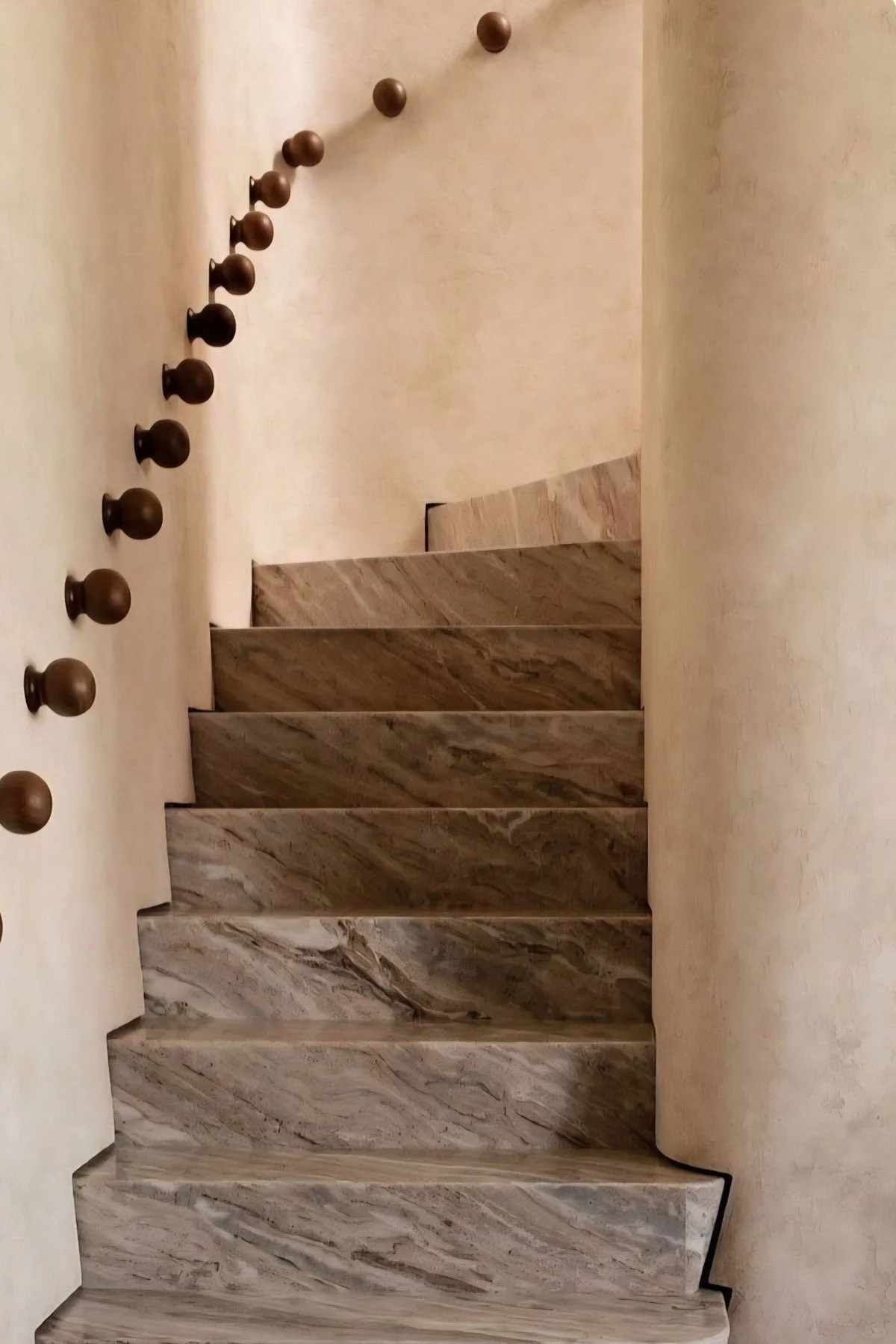
Most safety issues at home aren't noticeable at first glance. They show a near slip on the stairs, a child climbing where they shouldn’t, a parent hesitating before stepping onto the terrace. Over time, these moments affect how relaxed you feel in your own space. Good design can reduce that background tension without making your home look clinical or overprotected. You don’t have to see safety to benefit from it.
Below are common oversights that quietly undermine comfort—and practical ways you can address them without sacrificing a clean, minimalist look.
Ignoring Level Changes Between Rooms
Small height differences between rooms or at door thresholds often go unnoticed until someone trips. It might be a subtle step down into the living room or a raised track at the patio door. You adjust to it. Guests don’t.
These level changes create low-level anxiety, especially in households with varied mobility needs. They also interrupt the visual flow that many modern homes aim for.
You can address this by installing flush thresholds and gently ramped transitions. If you’re renovating, plan continuous flooring between rooms and out onto terraces where possible. It reduces trip hazards and creates a calm, uninterrupted line of sight. The result feels simpler, and cleaner.
Overlooking Slippery Surfaces
Polished tiles and smooth timber look refined, but in real life they meet wet shoes, socks, and spilled drinks. A staircase that feels solid when dry can become risky on a rainy day.
You might notice yourself telling guests to “be careful” more often than you’d like.
Anti-slip finishes don’t need to be obvious. Textured sealants on timber, matte tiles in bathrooms, or discreet stair nosings can significantly improve grip. Choose finishes that feel secure underfoot without visually cluttering the space. Safety should support how you live, not dominate how things look.
Treating Storage as an Afterthought
Clutter is often framed as an aesthetic problem. It’s also a safety issue. Bags left on stairs, toys on the hallway floor, or shoes near the door create everyday obstacles.
When storage isn’t built in, you end up improvising. That improvisation leads to tension—reminding children to tidy up, moving items aside before carrying laundry downstairs, and navigating tight corners.
Hidden storage can prevent this cycle. Built-in benches with lift-up lids, under-stair cupboards, and wall niches keep essentials accessible but out of walkways. When everything has a place, circulation paths stay clear. Your home feels cleaner and functions more smoothly.
Choosing Heavy Visual Barriers for Safety
Staircases, mezzanines, and terraces require protective barriers. A common mistake is installing bulky rails or opaque partitions that block light and sightlines. They solve one problem but create another: a sense of confinement.
When you can’t see across levels, parents lose an easy visual connection with children. Natural light gets interrupted. The space feels smaller than it is.
Minimalist barrier options such as glass balustrades offer a practical alternative. They provide necessary protection while preserving visibility and light. Used thoughtfully, they secure edges without visually breaking the space apart. You still meet safety requirements, but your home retains openness.
Delaying Basic Childproofing
Many people associate childproofing with plastic corner guards and visible locks. As a result, they postpone it or avoid it entirely, especially if they value a clean interior.
The risk is not only physical injury. It’s the constant vigilance that comes from knowing hazards are within reach. That vigilance is tiring and can strain everyday interactions.
You can integrate safety subtly. Soft-close drawer mechanisms, concealed cabinet latches, rounded countertop edges, and secure anchoring for tall furniture all reduce risk without drawing attention. These adjustments protect children and reduce the need for repeated warnings.
A well-designed home should allow you to move freely, host comfortably, and relax without second-guessing every step. The strongest safety features are often the ones you barely notice.
Safety is not an upgrade you add later. It belongs in the original plan, alongside layout and materials. When you address it early and thoughtfully, your home feels lighter, calmer, and more reliable. And that reliability is something you and your family depend on every single day.