
How Zoning Updates Can Affect Rural Property Values
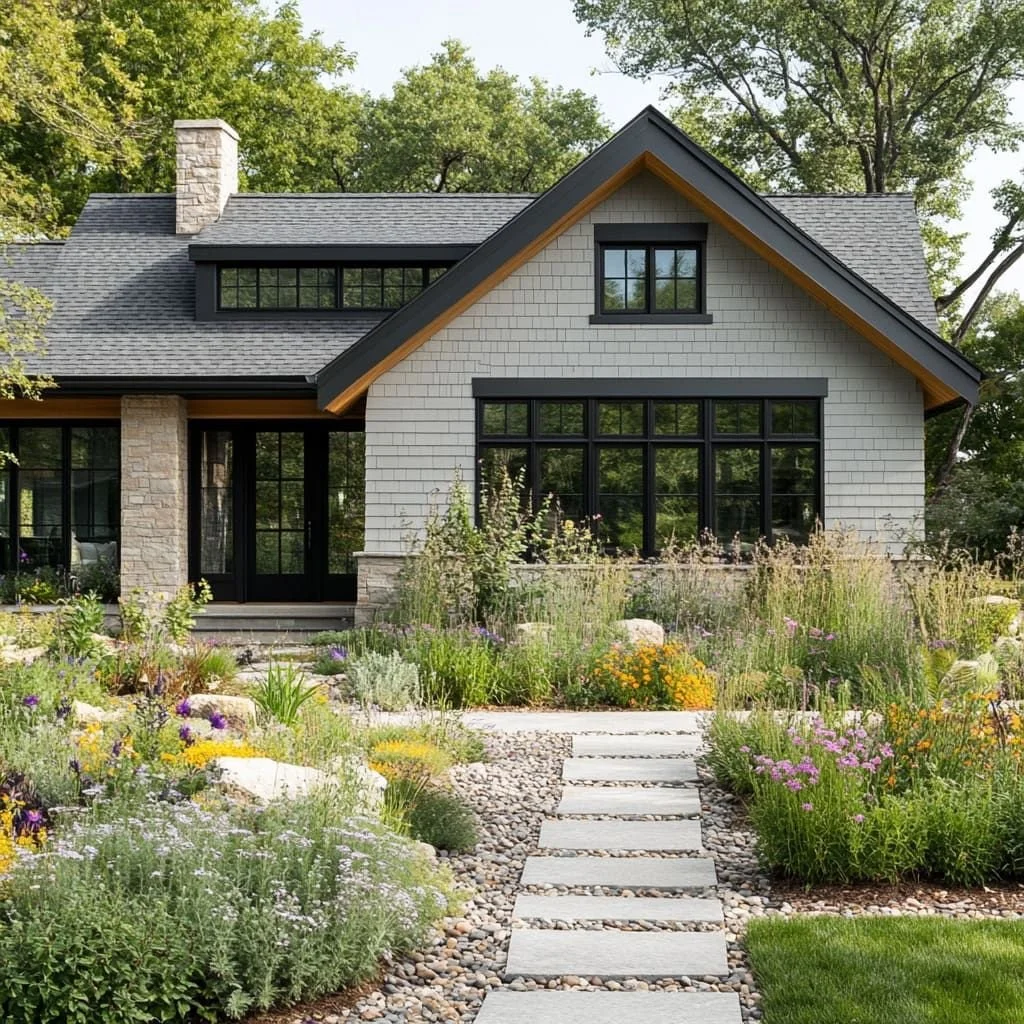
Zoning updates don’t usually sound exciting, and no one brags about reading county land-use changes for fun. Still, if you own rural property or hope to buy it, those updates are worth keeping an eye on. Zoning shapes what you can do with a piece of land, and that can change how useful, flexible, or attractive the property feels to the next buyer. That means that when there are zoning updates, they can affect rural property values, so you’ll want to know what to expect here.
Changes to Allowed Land Uses Can Shift Value
One of the biggest ways zoning affects value is by changing what owners can actually use their land for. A zoning update might open the door to a wider mix of uses. When buyers see this kind of flexibility, they often see opportunity, and opportunity tends to support value.
The reverse is true too, and it’s usually less fun. If a zoning change restricts uses that buyers care about, the pool of interested buyers can shrink fast. That doesn’t guarantee a drop in value, but it can make the property harder to market and harder to price with confidence.
Building Rules Can Affect Development Potential
Zoning isn’t only about use. It also covers practical rules such as lot size, setbacks, frontage, and density, which shape what can realistically be built on the land. A rural parcel may look full of promise on paper, but if updated rules reduce building potential, that promise can get a lot less glamorous in a hurry.
That matters because buyers don’t just pay for what a property is today. They also pay for what it could become. When zoning updates increase development rights, value may rise with that added potential. However, when land is effectively downzoned, owners can lose part of the economic upside they thought they had.
New Requirements Can Add Cost or Complexity
Even when a zoning update doesn’t outright block a project, it can still make ownership feel heavier. More approvals, stricter standards, or additional review steps can increase time and expense, which can affect what buyers are willing to pay. Rural buyers often want ease of use, not a complicated maze.
This is especially worth watching if you’re navigating land sales during a market transition in Illinois. When land values are showing mixed signals or softer pressure, extra complexity can matter even more because buyers may already be weighing risk more carefully.
Buyer Demand Often Changes With the Rules
Zoning updates can even affect rural property values by changing who shows up as the likely buyer. A property that appeals to a farmer, a rural homeowner, or a small developer under one set of rules may attract a very different audience after an update. When the buyer pool expands, sellers often gain leverage, and when it narrows, pricing power can soften.
That’s why zoning deserves a spot on your property-value radar. It doesn’t act alone, of course, but it does shape how buyers think about access, flexibility, and future plans. In rural real estate, that’s not a side issue. It’s part of the value story.
