How to Choose the Right Layout for Your Kitchen Remodel
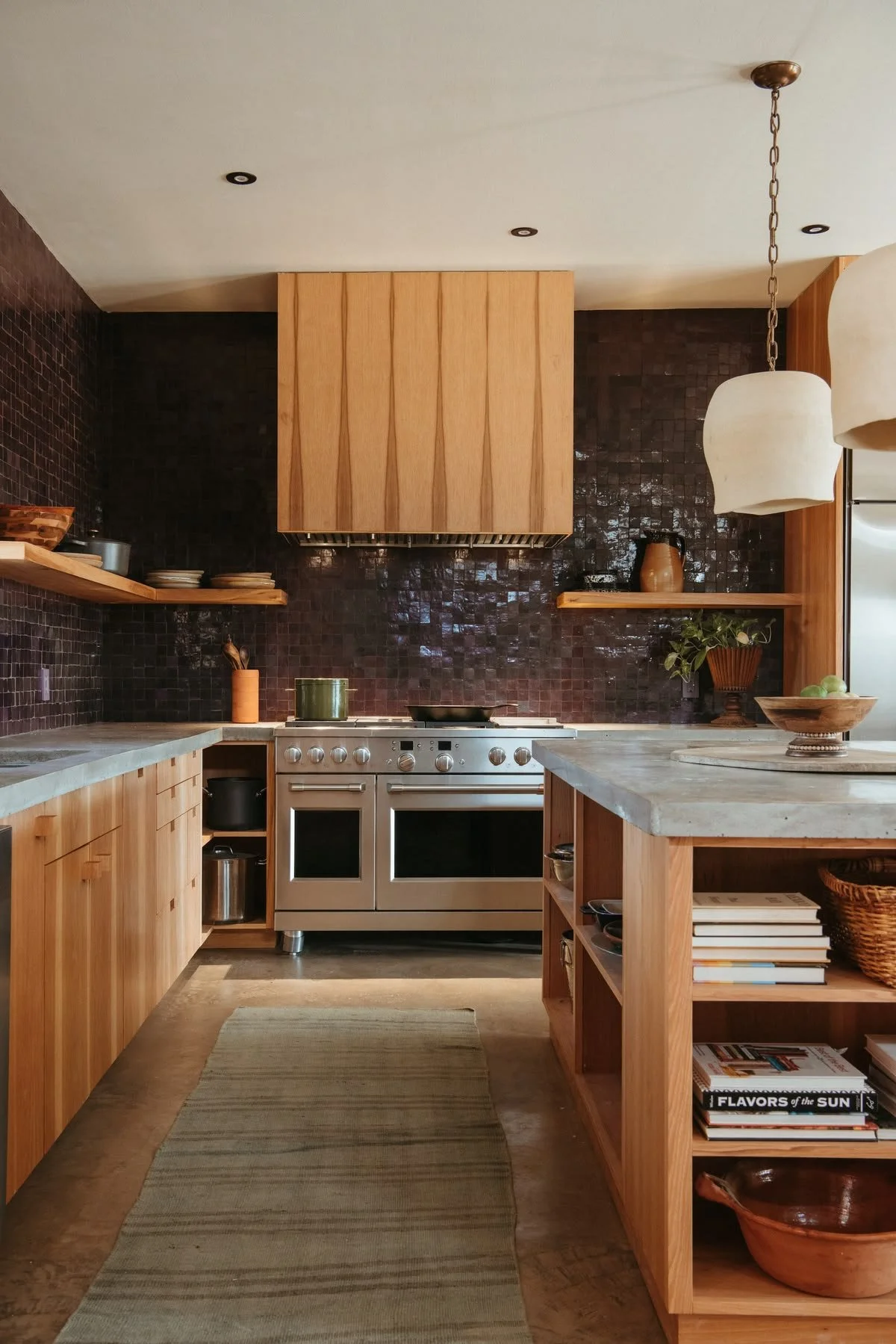
Many homeowners begin a kitchen redesign by considering the cabinet finishes and backsplash tiles. That's the incorrect place to start. Before any of those decisions can be made, you need to realize what your house will allow you to do, and what it will cost you if you choose to do it anyway.
Your Structure Sets the Rules First
The biggest mistake many people make is to choose a design they love, only to realize that the space doesn't agree with it. Negotiating with load-bearing walls, plumbing stacks, and gas rough-ins is bound to make you lose. To move a sink to the wall opposite to where it's currently roughed in can eat up 25-30% of your total build before you install your first cabinet.
To avoid this, don't commit to any layout until you've brought a builder or structural engineer in to identify the walls you can remove and the walls that must stay. For instance, if you'd like to combine the kitchen with a living space, that shared wall could be load-bearing. It's doable, but it'll cost you.
Then there are gas lines. The cooktop must come close to where the gas rough-in is. Otherwise, be prepared to pony up the rerouting costs. With gas lines, determining compatibility on paper is difficult. Bring in the contractors and get them to make the call.
In general, if you're planning large-scale structural changes you should have a specialist contractor from kitchen renovations perth onboard. They'll know the local requirements and be able to spot structural issues at the design phase.
Match the Layout to How You Actually Cook
There are four common kitchen layouts: galley, L-shaped, U-shaped, and island. Each has a reasonable application, and none is inherently better than the others. Nailing this decision isn't about going with your gut or the look you envision, that's how you'll end up annoyed every day. It's about understanding why designers recommend one or the other for a project, and whether that fits your lifestyle.
A galley kitchen, two walls of run cabinetry that directly face each other, is the "workhorse" of kitchens. They're the most straightforward layout for three reasons:
1. Efficiency: You're not more than two steps from anything. Plug the kettle in, turn around and grab your mug, tea bags and milk are directly to your left.
2. Optimized for a single cook: They're narrow. Ergo, two people can't pass without bumping chairs or other body parts.
3. Footprint: They're small, which means they're not great for space-hogging kitchen islands. But they're perfect for small(er) homes.
Looking back at point three, it's easy to see why someone decided the l-shaped kitchen was next in line: It's the most straightforward adaptation of a galley: take the cabinetry around the corner. Voilà, more storage and minimal additional spend on plumbing and wiring.
The Work Triangle Still Matters, Up to a Point
The work triangle, the refrigerator, sink, and cooktop relationship, has been the basic rule of kitchen ergonomics for a long time. As per NKBA rules, the three legs of the triangle ought to aggregate close to 7.9 meters, and no single leg ought to be shorter than 1.2 meters or more than 2.7 meters. That range keeps movement effective without immobilizing the cook in an awkwardly restricted space.
The triangle functions admirably for single-cook families. For bigger families or open kitchens where multiple people are in the space at the same time, zone design is more practical. Instead of optimizing for one moving person, you divide the kitchen into dedicated areas: a cleaning zone (sink, dishwasher, bin), a prep zone (countertop, knives, cutting boards), a cooking zone (cooktop, oven), and a consumables zone (pantry, fridge). The dishwasher goes directly beside the sink, not three meters from it. The bin sits inside the prep or cleaning zone, not in a corner cupboard across the room.
Zone configuration makes you consider how you utilize the kitchen, in actuality, as opposed to how it looks from above on an arrangement.
Clearance Zones Aren't Optional
One measurement most people overlook until it's too late: the gap between opposing surfaces. You need a minimum of 1 to 1.2 metres of clear floor space between any two facing countertops, cabinets, or an island and a bench run.
This isn't about comfort, it's about function. An oven door open on one side and a dishwasher door open on the other will meet in the middle if the clearance is under a metre. A fridge with a bottom drawer that swings 90 degrees needs room to do that without blocking traffic. In a U-shaped kitchen especially, this measurement determines whether the whole layout is workable or constantly frustrating.
Measure your clearance zones before the joinery is ordered. Once the cabinets are built and installed, there's no easy fix.
Get the Structure Right, Then Design Around it
Layout decisions made without accounting for structure, clearances, and utility placement create expensive problems during construction. Work backward from what your home allows, then forward from how your household actually lives. The aesthetic decisions, the ones most people start with, are genuinely the easiest part of a kitchen remodel.