Common Everyday Minor Injuries and What to Do
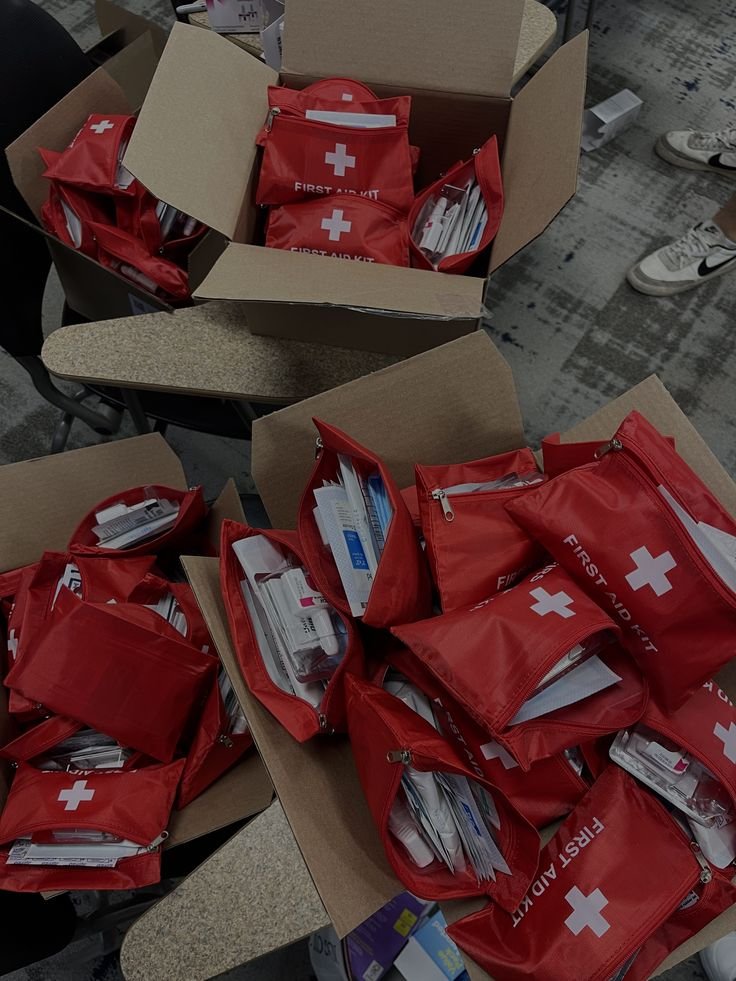
Everyone has a story about the moment a “normal day” got a little too spicy, usually involving a cabinet door, a sidewalk crack, or a pan handle that somehow found your skin. Understanding common everyday minor injuries and what to do helps you handle small stuff calmly, then get help quickly when something isn’t. However, keep in mind that this is general info, not medical advice, and if anything feels serious, it’s always okay to get checked.
Cuts and Scrapes That Show Up Uninvited
For most small cuts and scrapes, clean running water does the heavy lifting. Rinse the area well, wash it gently with mild soap, and avoid scrubbing like you’re trying to remove a bad memory. If it’s bleeding, apply steady pressure with clean gauze or a cloth for several minutes.
Once bleeding stops, a thin layer of ointment can help keep it from drying out, then cover it with a clean bandage. Over the next day or two, watch for spreading redness, warmth, swelling, worsening pain, pus, or fever, since those can signal infection.
Bruises and Mild Sprains
Bruises happen, and they’re not a moral failing. If you tweak an ankle or slam your shin into something sturdy and rude, rest the area and use a cold pack wrapped in cloth for short intervals. Elevating it can help if it’s convenient. If you can’t bear weight, the joint looks misshapen, pain spikes quickly, or swelling ramps up fast, it’s worth getting medically evaluated. “Toughing it out” is not a personality trait you have to keep.
Minor Burns and Heat-Related Oops Moments
A quick brush against a hot pan or curling iron can sting way more than it looks. Cool the area under cool running water for about 20 minutes if you can, and remove rings or tight jewelry early because swelling can sneak up. Skip ice directly on skin, and don’t pop blisters.
Cover the burn with a clean, nonstick dressing to protect it from friction. If you’re trying to understand how to care for burns beyond quick first steps, get medical care for larger burns, burns on the face, hands, feet, or genitals, chemical or electrical burns, or anything that blisters severely or worsens over time.
Wrap It Up and Move On With Your Day
A basic first-aid kit, clean supplies, and a few steady habits cover most everyday mishaps. You’re not trying to become an urgent care clinic, just someone who can handle the small stuff without spiraling. Keep these common, everyday minor injuries and what to do about them in mind! It often comes down to cleaning thoroughly, protecting the area, watching for changes, and seeking medical support promptly when something feels off.